Seokjangni Museum, Gongju: A Family Visit from Stone Tools to the Riverbank
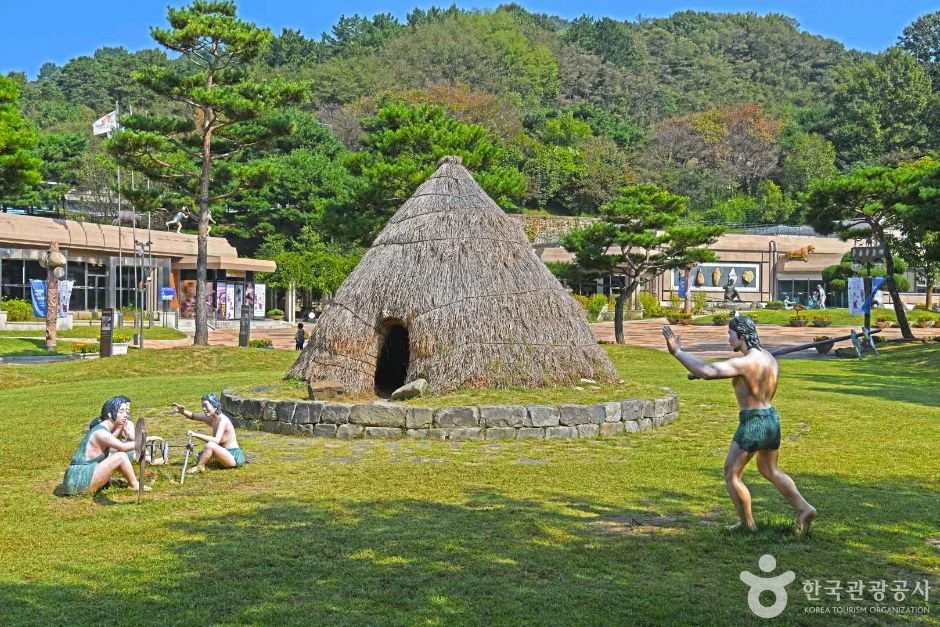
A thatched shelter, stone tools and a riverbank make Seokjangni Museum a different kind of Gongju history stop. This is a place to connect an indoor exhibition with the landscape outside. For families, the useful question is simple: how would you find food, make tools and build shelter beside this river?
Map search: Seokjangni Museum / 석장리박물관
Address: 990 Geumbyeok-ro, Gongju, Chungcheongnam-do
October hours: 09:00–18:00; last entry 17:30
Adult admission: ₩3,000
Visitor inquiries: +82-41-840-8924
Connect the exhibits with the river
Try the permanent exhibition first, then look at the outdoor reconstructions and riverbank. This is a suggested sequence, so change the order for weather or tired children. Indoors, focus on one or two tools rather than trying to absorb every label. Outside, ask what a shelter would need to keep its occupants dry. The human figures and hut are modern interpretations of prehistoric life, not surviving ancient buildings.
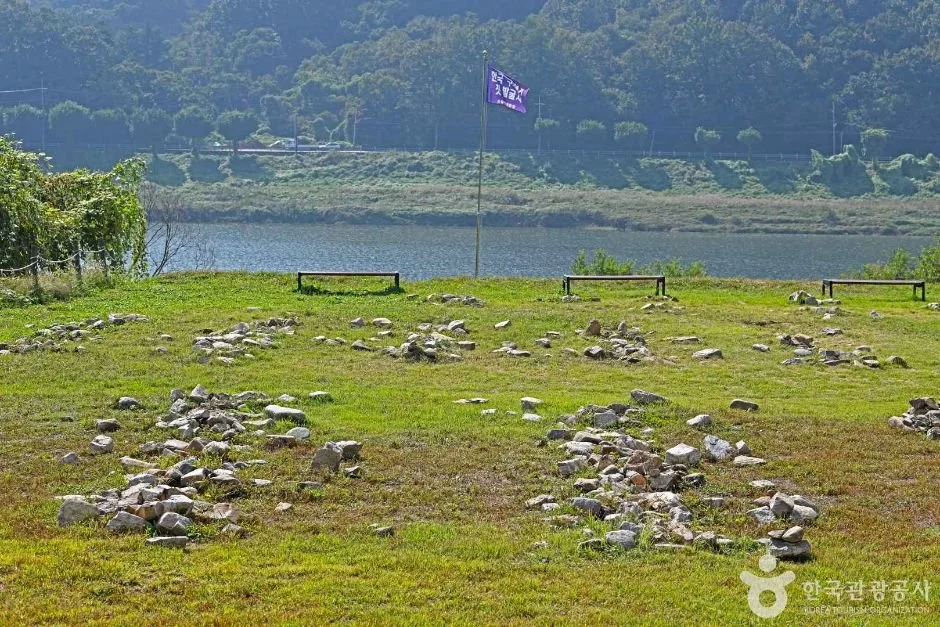
The FAMTIMES feature explains how excavations beginning in 1964 helped establish Paleolithic research in Korea. Seeing the river beside the site makes that history easier to picture: water, shelter and materials were practical concerns here long before modern Gongju. Keep to the visitor paths and use the information boards to distinguish archaeological evidence from reconstructed scenes.
Plan for outdoor paths as well as galleries
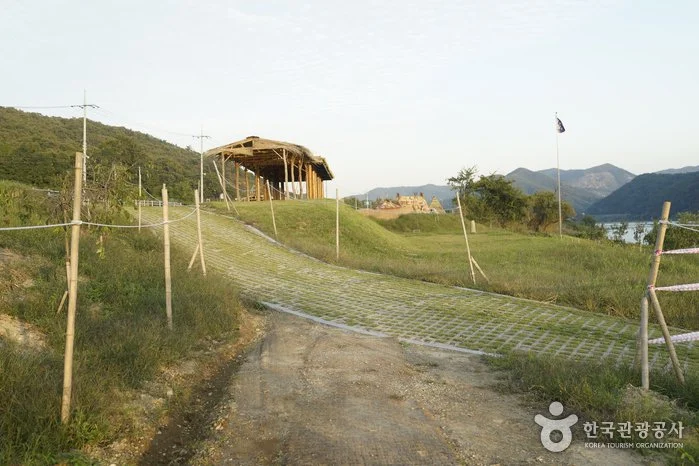
Wear shoes suitable for outdoor walking and bring water for the grounds. These reference photos show both dirt and paved sections; they do not establish that every part of the site is accessible. If you use a wheelchair or stroller, check the current route with staff. The museum's rules prohibit bicycles, kick scooters and pets, and food and drinks must stay out of the exhibition halls. Plan around those restrictions before arriving with children.
Hours, tickets and the Monday exception
The museum's visitor guide lists March–October opening as 09:00–18:00 and November–February as 09:00–17:00, with admission ending 30 minutes before closing. General closures are January 1 and the actual days of Seollal and Chuseok.
There is a separate Monday closure to know about. An official notice closes the special exhibition hall in the Pareun Son Bo-gi Memorial Hall on Mondays from July 13, 2026 through February 28, 2027. The permanent exhibition and outdoor site continue their normal Monday operation. Check current notices before a special trip.
Standard individual tickets are ₩3,000 for adults, ₩2,000 for teenagers/military personnel and ₩1,000 for children. The visitor guide also lists free admission on the last Wednesday of the month. If your Gongju itinerary includes Gongsanseong Fortress and the Royal Tombs, ask about the integrated ticket: the adult price is ₩6,000 for all three sites, valid through the day after purchase.
Getting there: confirm the final connection
The museum's directions page lists a local bus connection between Gongju Intercity Bus Terminal and the museum. It does not provide a route number or a complete stop-to-entrance itinerary, so confirm the current service and return departure before relying on it. For driving or a taxi, save the Korean museum name and address above; parking is listed by Korea Tourism Organization. Ask the museum about current access if mobility is a concern.
Look closer before you go
The full FAMTIMES feature adds photographs of the walking routes, site markers, parking and ramps, plus the excavation story behind the landscape. Use those details to decide which parts fit your visit.
Based on Park Moon-sun's FAMTIMES feature, published October 12, 2026. Practical information checked against the museum's official guides and Korea Tourism Organization on October 14, 2026. Original photo credits and watermarks are preserved.


Comments
Post a Comment