Taehwagang National Garden, Ulsan: A Bamboo Walk and Getting There
Ulsan's riverside bamboo forest offers a change of pace from the city's industrial image. At Taehwagang National Garden, tall green stalks enclose winding paths while open gardens spread along the river outside. You can make the bamboo grove the focus of a short visit, then decide whether to explore more of the grounds.
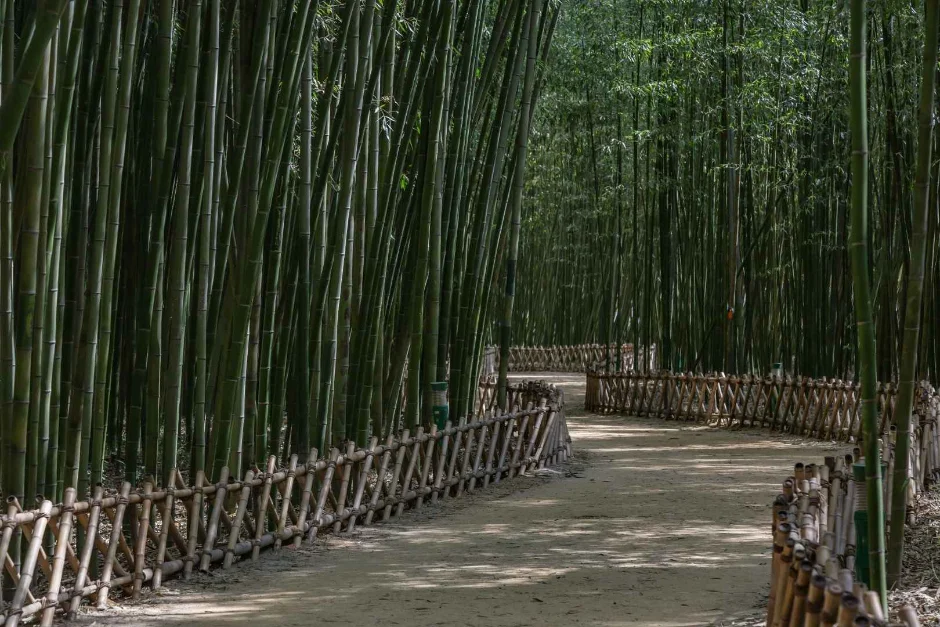
First-visit essentials: The garden grounds are free to enter and open around the clock, with exceptions for individual facilities. Start in the Taehwa district on the Jung-gu side if the bamboo is your priority. The photographs show the setting, rather than today's weather or seasonal conditions.
Make the bamboo grove your starting point
Simnidaesup means the “ten-ri bamboo forest”: ten ri is roughly four kilometers. That name describes the grove's extent, rather than a compulsory walking circuit. You do not need to cover the whole forest to enjoy it. Choose a section of the signed paths, keep track of the entrance you used, and leave enough time to return to your transport stop.
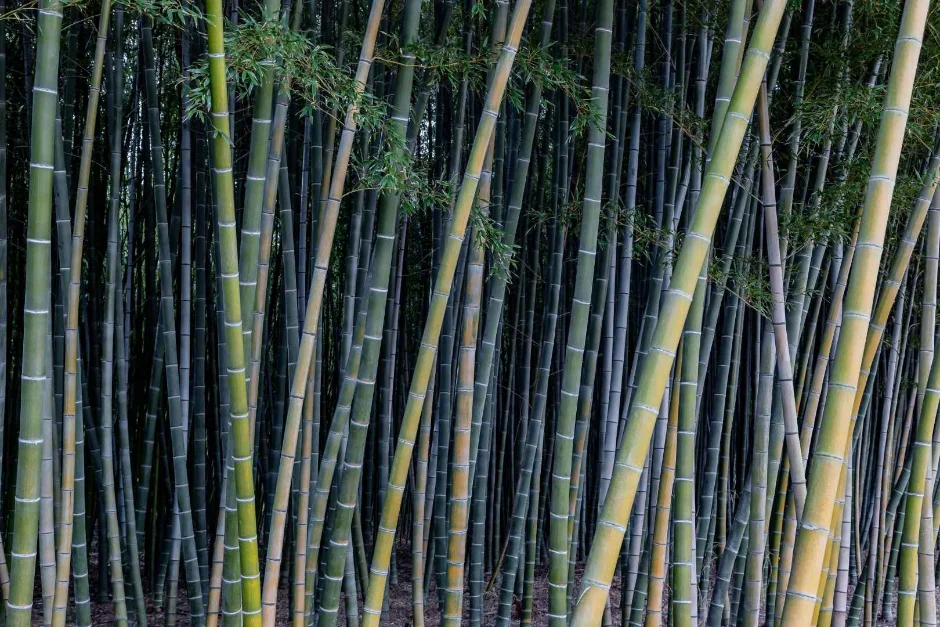
The appeal is in the changing view along the path. Look up at the canopy, then closer at the joints and colors of the stalks. The low fences in the photographs separate visitors from the planting; stay on the paths and leave the bamboo undisturbed. Comfortable walking shoes are a sensible choice for the dirt surfaces shown here.
Add one garden, rather than rushing through all of them
The national garden covers both banks of the river and contains more than twenty themed gardens. For a manageable first visit, pair the bamboo with one other area in the Taehwa district. The Bamboo Ecological Garden offers a closer look at bamboo varieties, while the naturalistic HOUG garden gives the visit a different planting style. Choose according to your interests and the conditions on the day.
If you want to explore the Samho district across the river, treat that as an extension and check the site map before setting off. The wider grounds include bird habitat and seasonal gardens. Autumn color and flowers depend on timing; the green bamboo photographs here do not establish whether other parts of the garden are at their seasonal peak.
Practical information for getting there and back
Hours and closing days: Ulsan city's official overview lists the grounds as continuously open, with some facilities excepted, and admission as free. The open grounds have no regular weekly closing day under that arrangement; do not assume visitor services, programs or lighting operate all night. Check current notices before an evening visit or after severe weather.
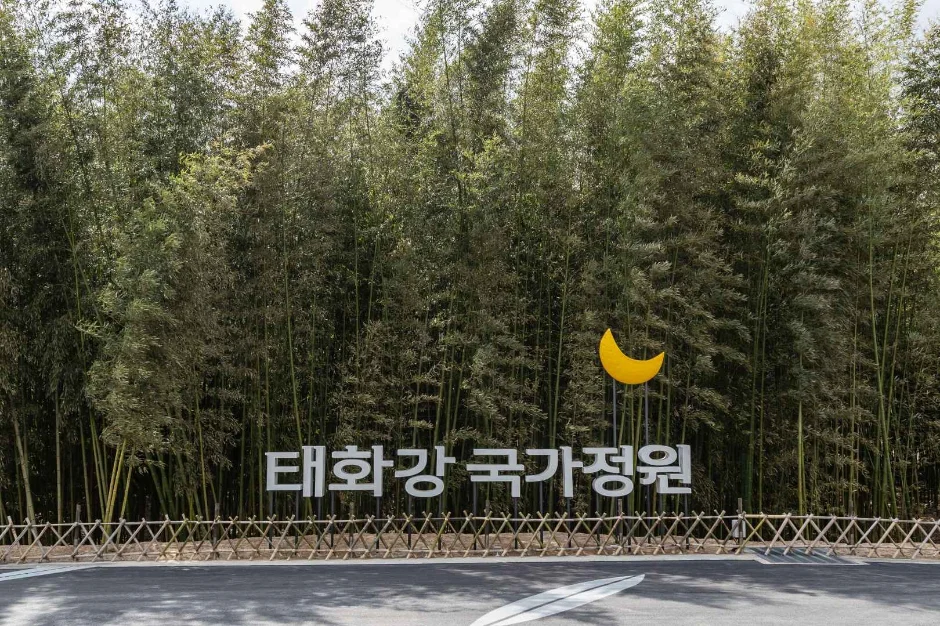
Navigation: The visitor center address is 5 Saetgangnam-gil, Jung-gu, Ulsan (울산광역시 중구 샛강남길 5). Save “태화강 국가정원 안내센터” in your map app to avoid navigating to a different part of this large garden.
By bus: The city's official directions identify “Taehwagang National Garden / Donggang Hospital” as the stop. They list routes 523, 1733, 5001, 5003 and 5004 from KTX Ulsan Station, and 523, 713, 763, 1115, 1733 and 9001 from Taehwagang Station. These are different stations: check which one your train uses. Confirm the route, direction and last return departure in a current journey planner; the official page does not provide frequencies or the final walking time.
Driving: Parking is available, with both paid and free lots listed by the city. Choose a lot near the part you intend to visit and check its posted charges. For help planning access, the visitor center number is +82-52-229-3147 (Korean).
For more photographs, the river's restoration story, the gardens on both banks and background on the illuminated Milky Way Path, read FAMTIMES' full English guide to Taehwagang National Garden, by Kim In-seo, published October 19, 2026.
Visitor information checked October 20, 2026 against Ulsan city's garden overview and Taehwa district guide.


Comments
Post a Comment