Naksan Park, Seoul: A Free City Wall Walk with Views
A short Seoul walk can do more than connect two stations. At Naksan Park, the old city wall follows a low ridge above Jongno, with open views across the capital and several ways to turn a visit into a longer walk. The park is free and open around the clock, so you can choose a brief daytime stop or a longer route toward Dongdaemun.
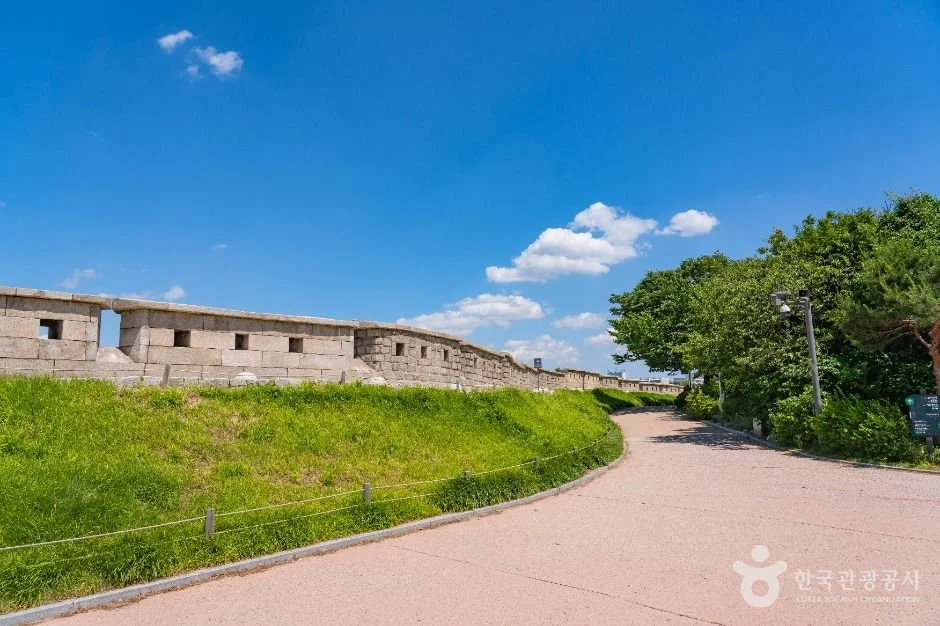
The park’s strongest feature is the way the wall gives the walk a clear focus. Rather than heading straight for one viewpoint, follow a section of the ridge and compare the old stonework with the modern neighborhoods below. A short out-and-back from the park can work well if you want to return to Daehangno; a through-walk needs a little more route planning.
Choose a walk that fits your day
For the simplest approach, leave Hyehwa Station on Line 4 at Exit 2 and walk about 10 minutes toward the park. The central plaza is a useful pause point, with a kiosk, stage and the Naksan Exhibition Hall nearby. The hall is free and is listed as open 9 a.m.–5 p.m.; Seoul’s city portal reported a Monday closure in October 2026, so check with the park before making the hall your main reason to visit. The park grounds themselves are listed as open all year.
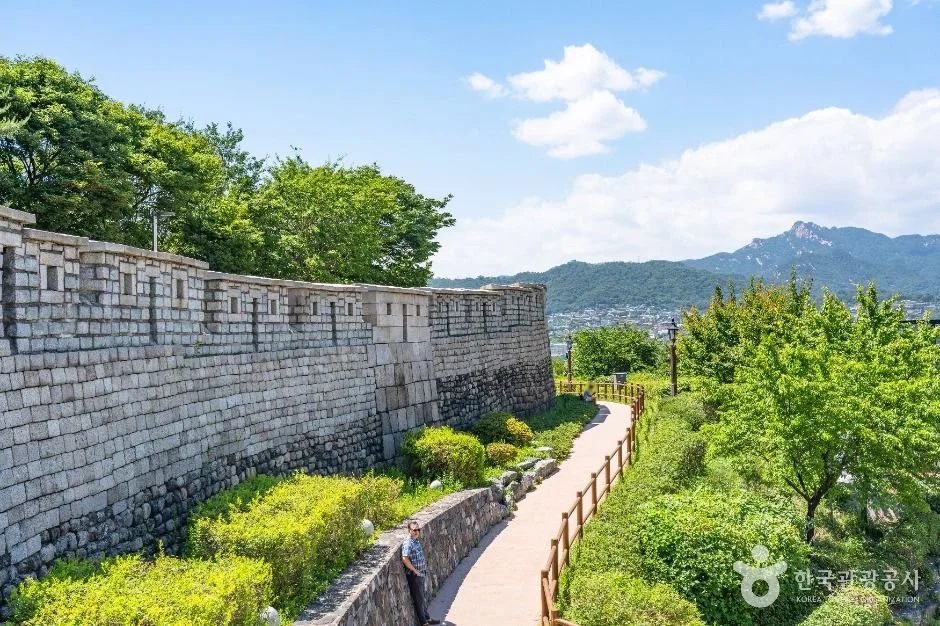
Want a longer route? The city’s route information gives conflicting distances for the Naksan section, so choose your start and finish on a current map rather than planning around one kilometer figure. Allow extra time for photographs, slopes and stops. You can continue toward Dongdaemun, descend through Ihwa-dong, or start from Hansung University Station; check a current city map before setting out if you need a precise route.
Lookouts, a pavilion and practical details
Naksanjeong pavilion and three lookout plazas break up the ridge walk. The views are especially broad where the wall opens toward the city, and the paths also connect to quieter green sections. If you arrive by Jongno 03 village bus from the Dongdaemun or Changsin area, its terminus is near the park’s back gate and Play Plaza.
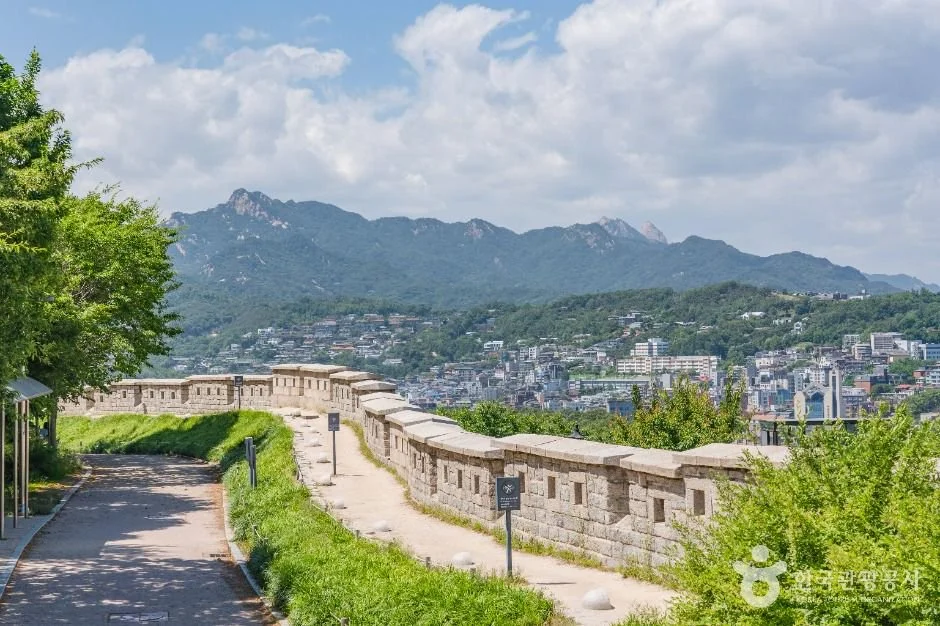
For a first visit, public transit keeps the plan straightforward. This is a hill walk, so a low summit does not mean a completely level route. Pick comfortable shoes, leave time for the climb from the station and use the signed paths. If you continue into residential lanes around Ihwa-dong, keep voices low and respect private doorways. A view stop and a full wall walk are different outings: choose the shorter option if daylight or energy is running low.
For a quiet overview of the capital, Naksan is an easy walk to add to a Seoul day. For the route details, local context and additional photographs, read the FAMTIMES guide to Naksan Park.
Visitor information checked November 6, 2026: Korea Tourism Organization (park hours and admission), Seoul city portal (exhibition hall and station access), and Seoul City Wall (routes and Jongno 03). Hours and services may change. Photo credits follow the KOGL Type 1 terms; photo source: the linked FAMTIMES guide.


Comments
Post a Comment